Ta strona wykorzystuje pliki cookies. Korzystając ze strony, zgadzasz się na ich użycie. OK Polityka Prywatności Zaakceptuj i zamknij X

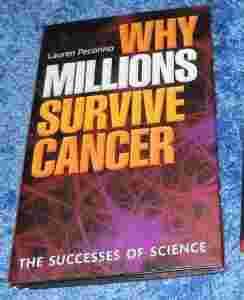
WHY MILLIONS SURVIVE CANCER - Lauren Pecorino
24-01-2012, 7:30
Aukcja w czasie sprawdzania była zakończona.
Cena kup teraz: 15 zł     
Użytkownik babooshka76
numer aukcji: 2047699875
Miejscowość Warszawa
Wyświetleń: 9   
Koniec: 20-01-2012, 3:06

Dodatkowe informacje:
Stan: Używany
Okładka: twarda z obwolutą
Język: angielski

info Niektóre dane mogą być zasłonięte. Żeby je odsłonić przepisz token po prawej stronie. captcha

WHY MILLIONS SURVIVE CANCER


Autor: Lauren Pecorino
Wydawnictwo: 2011r
Liczba stron: 223, twarda oprawa i obwoluta
Stan książki: db /wyrwana strona przedtytulowa z danymi poprzedniego wlasciciela

Jeśli WYSYŁKA: Koszt przesyłki 8 zł. List polecony. Wysyłka max 48h od momentu zaksięgowania pieniędzy na koncie
Jeśli ODBIÓR osobisty - Saska Kępa, ul. Afrykańska.

UWAGA! ODBIORY OSOBISTE WYŁĄCZNIE PO UPRZEDNIEJ WPŁACIE NA KONTO. PROWADZĘ DZIAŁALNOŚC GOSPODARCZĄ, KORZYSTAM ZE ZWOLNIENIA Z KASY FISKALNEJ - WSZYSTKIE WPŁYWY Z AUKCJI MUSZA SIĘ ZNALEŹĆ NA MOIM FIRMOWYM KONCIE! NIE MOGĘ PRZYJĄĆ GOTÓWKI.

W jezyku angielskim

Today, more than 12 million cancer survivors just in the United States alone are alive today as a result of the extraordinary advances in science and medicine. In Why Millions Survive Cancer, Lauren Pecorino illuminates this enormous and recent progress in fighting cancer, painting an intriguing portrait of scientific breakthroughs, the leading scientists behind these key discoveries, and the steps that we can all take to reduce our exposure to cancer.

The struggle against cancer has been long and difficult, but as Pecorino shows, the tide is changing, and changing rapidly. Treatments are becoming gentler and more effective. Many newly developed drugs have fewer side effects and can be administered as a pill rather than intravenously, giving patients a better quality of life. Better response rates are occurring for treatments that are targeted against the genetic characteristics of a tumor. Advances in instrumentation, robotics and imaging have led to more precise and less invasive surgical procedures. And public awareness about carcinogens is spreading and, increasingly, people are avoiding cigarettes, alcohol, and excessive exposure to the sun. As Pecorino discusses these exciting new developments, she provides readers with fascinating accounts of medical research and the discoveries we have made about the nature of cancer and the ways we can defeat it. For instance, we learn the stories behind such important new drugs as Avastin, Gardasil (the world's first cervical cancer vaccine), Herceptin, and Gleevec, the development of which unfolded "like a fairy tale with a happy ending."

All this progress is fairly recent and it may well be the beginning of the end--for cancer. With one out of three people contracting cancer during their lifetimes, this book offers a wealth of "good news" that we all will want to hear.