Ta strona wykorzystuje pliki cookies. Korzystając ze strony, zgadzasz się na ich użycie. OK Polityka Prywatności Zaakceptuj i zamknij X

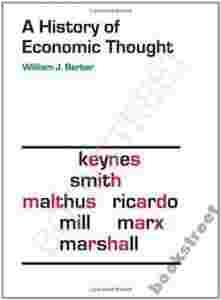
A HISTORY OF ECONOMIC THOUGHT William Barber
22-05-2014, 18:34
Aukcja w czasie sprawdzania była zakończona.
Cena kup teraz: 148.05 zł     
Użytkownik bookstreet
numer aukcji: 4176766329
Miejscowość Kalisz
Wyświetleń: 4   
Koniec: 22-05-2014, 17:46

Dodatkowe informacje:
Stan: Nowy
Okładka: miękka
Kondycja: bez śladów używania

info Niektóre dane mogą być zasłonięte. Żeby je odsłonić przepisz token po prawej stronie. captcha

978[zasłonięte][zasłonięte]55927, 978[zasłonięte][zasłonięte]02500, 978[zasłonięte][zasłonięte]74827, 978[zasłonięte][zasłonięte]40957, 978[zasłonięte][zasłonięte]95693, 978-[zasłonięte][zasłonięte]55927, 978-[zasłonięte][zasłonięte]02500, 978-[zasłonięte][zasłonięte]74827, 978-[zasłonięte][zasłonięte]40957, 978-[zasłonięte][zasłonięte]95693
TEL: 607-[zasłonięte]-671
GG: [zasłonięte]16851
EMAIL: [zasłonięte]@bookstreet.pl

Kupując kilka książek za wysyłkę płacisz tylko raz! 

Do realizacji zamówienia przystępujemy po otrzymaniu zapłaty za towar lub wybraniu opcji przesyłki za pobraniem. Książki wysyłamy w ciągu 5-7 dni roboczych, nie ma możliwości szybszej realizacji.
Wystawiamy faktury VAT.

A History of Economic Thought

PRODUCT DETAILS:
Author: William J. Barber
Language: English
Publisher: Wesleyan University Press
Publication Date: 15 Dec 2009
Dimensions: 12.7 x 1.4 x 20.3 cm
Format: Paperback
Pages: 268
Condition: NEW
Product_ID: AD19[zasłonięte]380

Study of the grand ideas in economics has a perpetual intellectual fascination in it's own right. It can also have practical relevance, as the global economic downturn that began in 2007 reminds us. For several decades, the economics establishment had been dismissive of Keynesianism, arguing that the world had moved beyond the ''depression economics'' with which it dealt. Keynesian economics, however, has now staged a comeback as governments attempt to formulate policy responses to the Great Recession of the first decade of the twenty-first century. Many of the issues that faced economists in the past are still with us. The theories and methods of such men as Adam Smith, T. R. Malthus, David Ricardo, J.S. Mill, Karl Marx, Alfred Marshall, and J. M. Keynes are often relevant to us today--and we can always learn from their mistakes. In his stimulating analysis Professor Barber assesses the thought of a number of important economists both in terms of the issues of their day and in relation to modern economic thought. By concentrating on the greatest exponents he highlights the central properties of the four main schools of economic thought - classical, Marxian, neo-classical, and Keynesian - and shows that although each of these traditions is rooted in a different stage of economic development, they can all provide insights into the recurring problems of modern economics.

Książki wysyłamy w ciągu 5-7 dni roboczych.


THE PENGUIN HISTORY OF ECONOMICS Roger Backhouse

THE WORLDLY PHILOSOPHERS Robert Heilbroner

RECONSTRUCTING POLITICAL ECONOMY William Tabb

THEORY AND METHODS IN POLITICAL SCIENCE Marsh

UNDERSTANDING INTERNATIONAL RELATIONS Brown

POLITICAL ANALYSIS: A CRITICAL INTRODUCTION Hay